0 to 80 in 30 minutes
Everyone's posting their "I built this in 30 minutes" demos. Nobody's posting the 30 hours that came after.
Read more ›
There are two completely different kinds of consumer apps. They monetize through completely different emotional transactions. Most founders accidentally apply the playbook of one onto the other.
That mismatch is what kills otherwise good products before anyone works out the cause.
The first category I’d call subscription psychology apps. Spotify. Netflix. Duolingo. Headspace. Fitness apps. Finance apps. Productivity tools. These win through recurrence. Daily usage. Habit loops. Monthly billing fits because the value resets every day.
The second category I’d call ownership psychology apps. Aquarium apps. Gardening apps. Hobby tools. Home inventory. Travel planners. Niche journaling apps. Specialty utilities. These win through stewardship. Low frequency. Long horizon. Identity-linked. Monthly billing is the wrong shape for them, even when they’re objectively useful every day.
The two categories look almost identical from the outside. Both are mobile apps. Both have features. Both have a paywall somewhere. But the emotional transaction underneath is so different that copying the wrong playbook can destroy a product without the founder ever noticing what went wrong.
I’d been building apps for a while before I saw this split. It took watching one of my own products stall on monetization to make it visible.
In the first two weeks after launching Tankly, my aquarium app:
→ 500 downloads → 7 trials started → 5 trials completed → 1 annual sub → 2 monthly subs
People liked the app. Retention was fine. Reviews were positive. They were using the features the way I’d hoped. Almost nobody wanted to pay for it.
That was the moment I stopped treating monetization as a pricing problem.
On paper, Tankly “made sense” as a subscription. AI features. Ongoing intelligence. Dynamic monitoring. Everything the modern app playbook says should print recurring revenue. But when I looked at how people emotionally interacted with the product, I realised I’d built an ownership psychology app and tried to monetize it like a subscription psychology one.
The numbers weren’t a pricing failure. They were a category mismatch.
These apps integrate into repetitive behaviour loops. The value resets daily through usage frequency. You don’t really “own” them emotionally. You rent the usefulness continuously.
Nobody questions paying Spotify monthly because the value loop refreshes every time the app opens. Music gets consumed repeatedly. It becomes environmental. You play it in the gym, on the train, while cooking. The mental question stops being “Do I still want Spotify?” and becomes “Could I function normally without it?”
Same model for fitness apps, meditation apps, finance apps, social platforms. They engineer recurrence through:
→ streaks → reminders → social loops → daily check-ins → unfinished actions → notifications
The monetization works because the app feels alive every single day. Monthly billing is psychologically frictionless because the value question is being re-answered constantly.
These apps are slower. Less compulsive. Lower frequency. Often emotionally deeper.
People don’t open them every day. They open them when something matters. A tank looks off. A plant is wilting. A trip is being planned. A collection is being catalogued.
These apps are not built around habit loops. They’re built around protection.
The emotional transaction is different. With Spotify you’re paying for repeated utility. With Tankly you’re paying for continuity, protection, and reassurance. The app isn’t replacing boredom. It’s reducing uncertainty.
That distinction reshapes monetization completely.
For Tankly, monthly was the default. That’s what apps do now. Build app. Add AI. Add recurring feature. Ship monthly. Hope retention works itself out.
But monthly billing creates a quiet question in the user’s head:
“Am I really using this enough every month?”
For a subscription psychology app, the answer is obvious. They used it yesterday. They’ll use it again today. The value loop is self-evident.
For an ownership psychology app, the question is dangerous. Aquarium owners don’t open the app every day. They open it when they’re feeding fish, doing a water change, or worrying about something. The app might be valuable across the whole month, but the engagement doesn’t pattern-match to “I used it enough to justify the bill.”
So they cancel. Not because the app failed. Because the billing cadence created the wrong emotional framing.
This sounds obvious once you say it. It’s the kind of thing that’s invisible to founders until the numbers force them to see it.
Aquarium keeping is slow. Tanks mature over weeks and months. Problems develop gradually and often invisibly. The emotional relationship people have with the hobby is patient and protective, not compulsive.
People worry about:
→ fish health → water stability → algae outbreaks → slow invisible problems → expensive livestock dying overnight
Tankly wasn’t competing with TikTok or Spotify. It was competing with anxiety. Once I saw that, the monthly framing felt wrong in a way I couldn’t unsee.
Annual feels different psychologically. Annual implies stewardship. Continuity. Seriousness. The user reframes the purchase from “another subscription I should audit” to “part of how I look after this thing I care about.”
That’s why hobbyists buy lifetime access. Why enthusiasts prefer ownership framing. The payment becomes part of the identity.
This is the second thing the Tankly numbers forced me to face.
I’d been monetizing mechanics:
→ unlimited tanks → AI credits → analytics → exports → better logging
Nobody wants any of that. They’re features. They’re not the transaction.
Spotify doesn’t sell songs. It sells uninterrupted mood control.
Fitness apps don’t sell workout logging. They sell identity transformation.
Travel apps don’t sell pinned maps. They sell future possibility and memory preservation.
Tankly doesn’t sell tank logs. It sells reassurance that the ecosystem in your living room is healthy.
The moment you stop pricing the mechanic and start pricing the emotional outcome, the paywall stops feeling arbitrary.
Tankly’s original paywall sat at the end of onboarding. Classic mobile playbook: if they’re interested, monetize early. If they bounce, they were never going to convert anyway.
That’s the wrong logic for an ownership app.
In a subscription psychology app, users engage before they pay. The behaviour pattern is already there. Spotify, TikTok, Duolingo. You’re paying to keep doing the thing you’re already doing.
In an ownership psychology app, users engage more because they paid. The purchase creates investment. Commitment. Identity. Someone who buys annual access to an aquarium intelligence app starts thinking “I’m serious about my tank.” The payment deepens the relationship.
None of that triggers if you paywall them before they’ve felt anything.
Mid-build, I had a conversation with an AI agent helping me think through the funnel. It said something that reframed the whole problem:
“Users dismiss because they don’t experientially know what they’re paying for.”
That sentence stuck. Because that was the entire issue. The app was explaining value instead of demonstrating it.
There’s a huge gap between telling a user “Get AI-powered monitoring” and letting them experience a moment where the app notices their tank parameters trending dangerous before they do.
One is marketing copy. The other creates dependency.
A static logger is hard to monetize.
An app that says “Your tank stability has declined over the last 5 days” is a completely different product, even if technically it stores the same data.
One stores information. The other reduces uncertainty.
Uncertainty reduction is one of the most monetizable things in software. People will pay for insurance. Monitoring. Security. Diagnosis. Reassurance. They pay annually for protection systems they barely engage with, because the protection itself is the product.
That’s where ownership psychology apps unlock real recurring revenue. Not by mimicking Spotify, but by becoming an intelligence layer over something the user already cares about.
I think AI is about to make this divide much bigger.
For subscription psychology apps, AI is incremental. Spotify with smarter recommendations is still Spotify.
For ownership psychology apps, AI is a step change. The value proposition was always “ongoing intelligence over a slow-moving system.” For most of software history, that was hard to build. Now it isn’t.
Aquariums. Gardens. Home systems. Wardrobes. Travel. Collections. Pets. Health.
All of these are ownership categories that used to be limited to logging. They’re about to become diagnosis, interpretation, and protection.
That’s a category of app that finally earns recurring revenue. Not by being addictive. By being trustworthy.
Most founders obsess over price points. £4.99 vs £6.99. Monthly vs annual. Free trial vs no trial.
That’s the wrong layer to optimise.
Before pricing, ask one question:
Is my app driven by repeated utility, or ongoing stewardship?
If it’s repeated utility:
→ monthly → habit loops → streaks → engagement hooks → daily relevance
If it’s ongoing stewardship:
→ annual or lifetime → identity framing → protection language → experience before paywall → intelligence over storage
The two playbooks are not interchangeable. Copying the wrong one is, I now believe, the most common silent killer of otherwise good consumer apps.
Tankly’s first month forced me to learn that. The numbers were brutal enough to make it unmissable.
Going again. By choice.
Everyone's posting their "I built this in 30 minutes" demos. Nobody's posting the 30 hours that came after.
Read more ›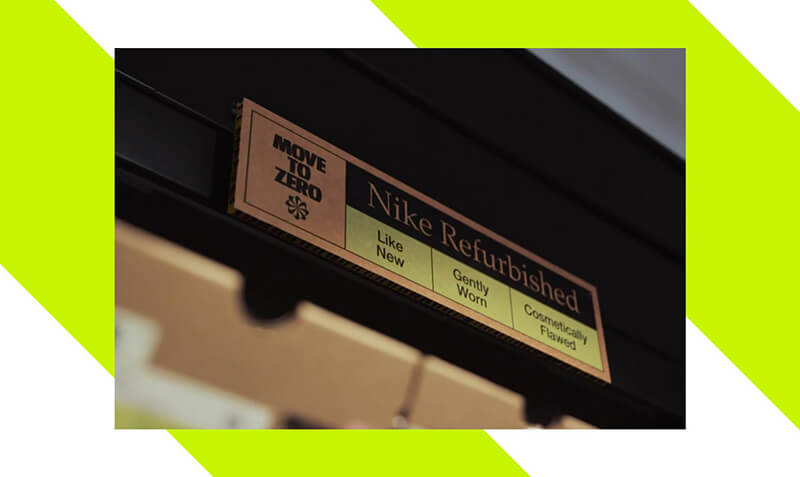
Nike are going full circle. Kinda. Nike launches the "refurbished sneaker program" aiming to give used sneakers a chance at a second life.
Read more ›
In the early days of content production, teams spent endless time and money on a single piece of content. Here's how to stop a thumb in its tracks.
Read more ›Notes on building and designing products in the agentic age, where taste is the edge. Join 20,000 people getting them, direct to your inbox.